Solutions

Four things we do, and the constraint each one lives inside.

Every line below is written from the operating side. The numbers are what we have actually delivered, not what the technology could do in principle.

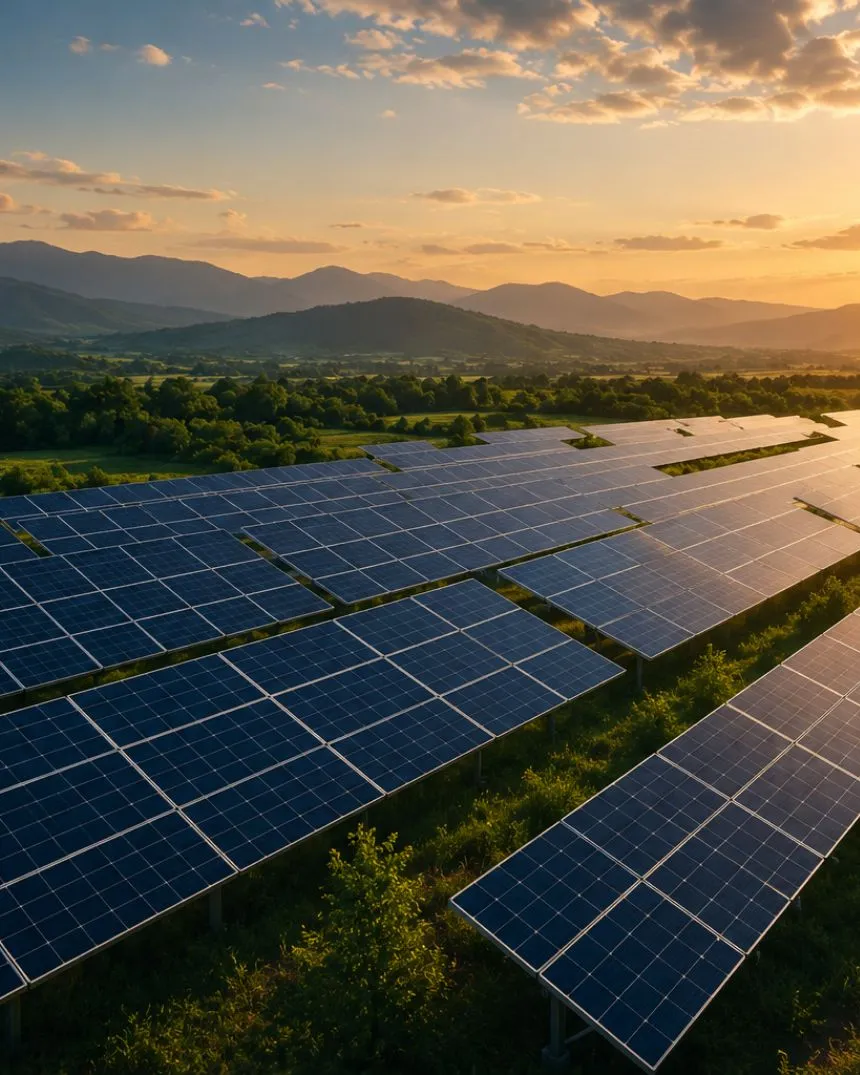
Rows of solar panels laid across rolling farmland at sunrise

Where to start

Start from what you already have.

Most enquiries arrive as an asset, not as a service line. Find the row that describes what is on your desk and read across.

What you arrive with

Solar

Onshore wind

Storage

Grid services

Land under option, no grid yet

A queue position and a deadline

A fleet out of warranty

A node that keeps curtailing

An offtake to place, no asset

 We lead it
 Case by case
 Not us — we will say who

The four lines

  1. 01Solar Development
  2. 02Onshore Wind
  3. 03Battery Storage
  4. 04Grid Services
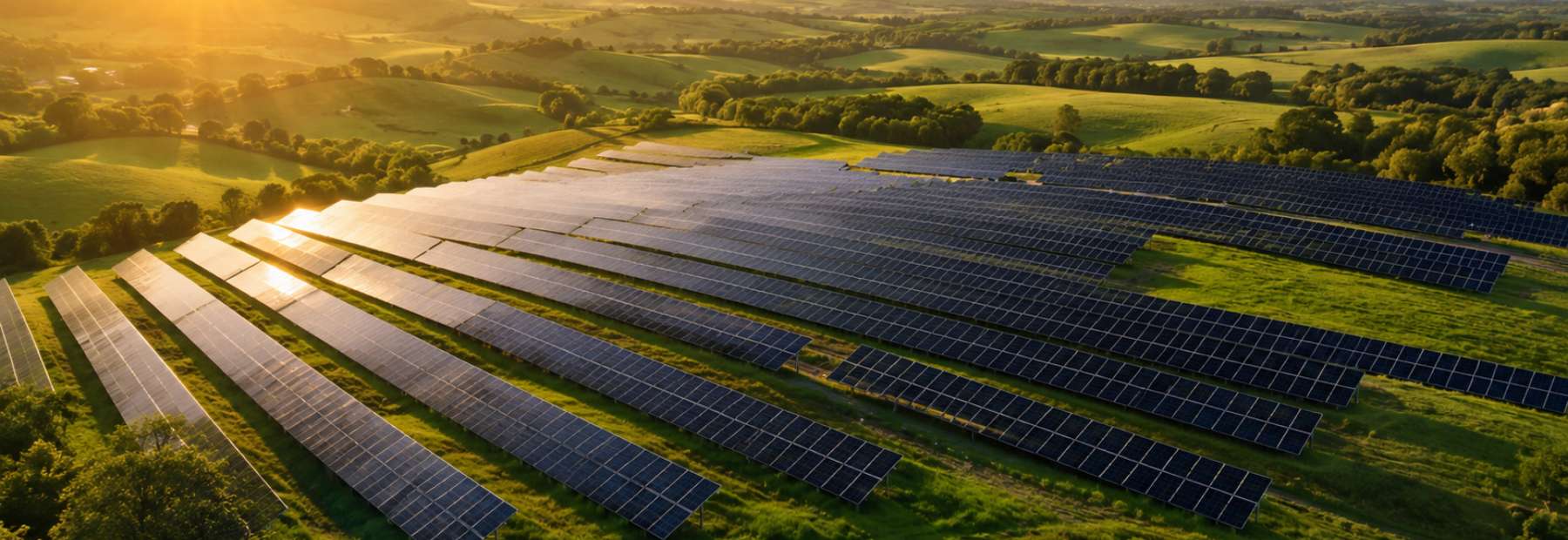
A utility-scale solar array running toward distant hills at golden hour
01

Solar Development

Utility-scale PV from land origination to commissioning. We take queue position as the real schedule — it is the only part of a programme nobody can buy back — and design the array around what the connection will actually accept.

Typical size

50–300 MWdc

Origination to COD

30–48 months

Where we start

The interconnection queue, then the resource

What we need from you

Land control, a queue position, or a credible route to one

Delivered to date

3.1 GW across 42 sites

An engineer walking out to a turbine on open upland at dusk
02

Onshore Wind

New capacity where the network can take it, and repowering for fleets that are out of warranty but nowhere near out of wind. Reusing foundations and access tracks is usually the difference between a viable repower and a demolition bill.

Typical size

30–150 MW

Origination to COD

36–60 months new build · 18–30 repowering

Where we start

Ten years of measured wind, not a map

What we need from you

An existing site, or consent already in hand

Delivered to date

2.8 GW across 18 farms

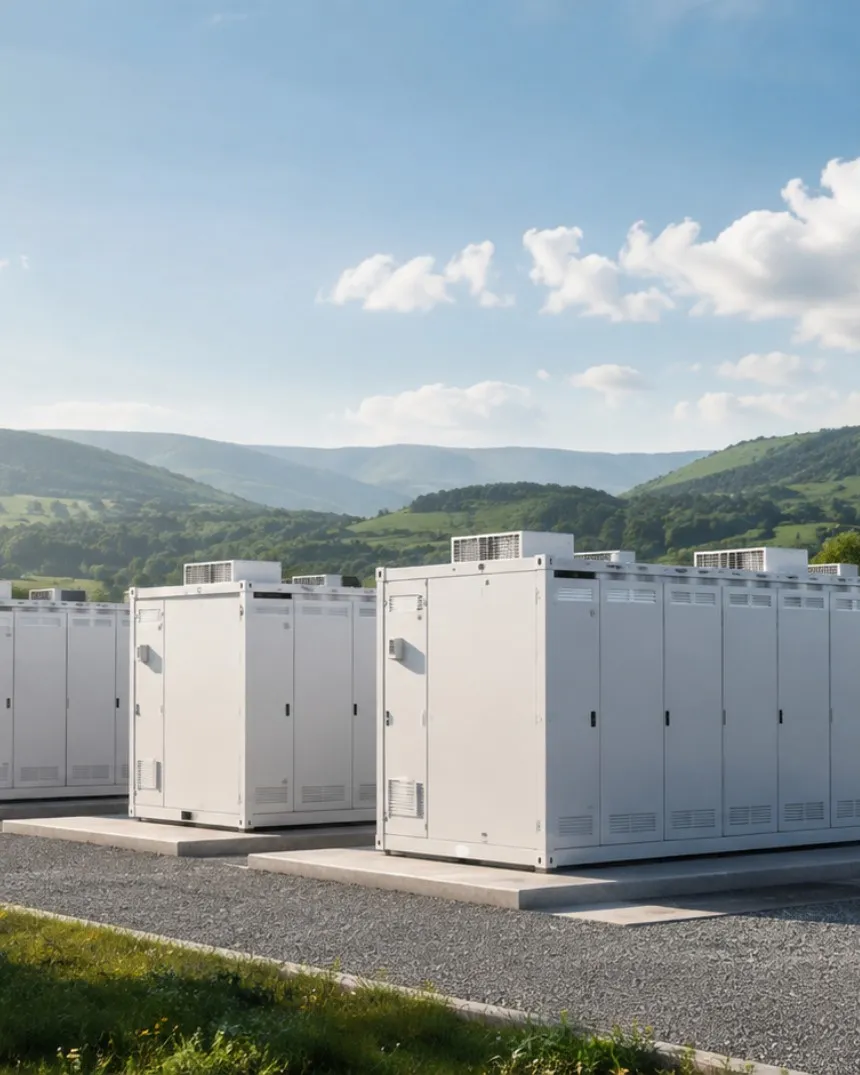
Grid-scale battery containers arranged in a field below a turbine
03

Battery Storage

Two- and four-hour systems sited against measured curtailment rather than next to the generation, where it is easier to explain. The asset should earn from the constraint, not wait it out.

Typical size

40–320 MWh

Origination to energisation

18–30 months

Where we start

Three years of nodal price and curtailment data

What we need from you

A grid node under stress, and patience with the paperwork

Delivered to date

940 MWh across 23 systems

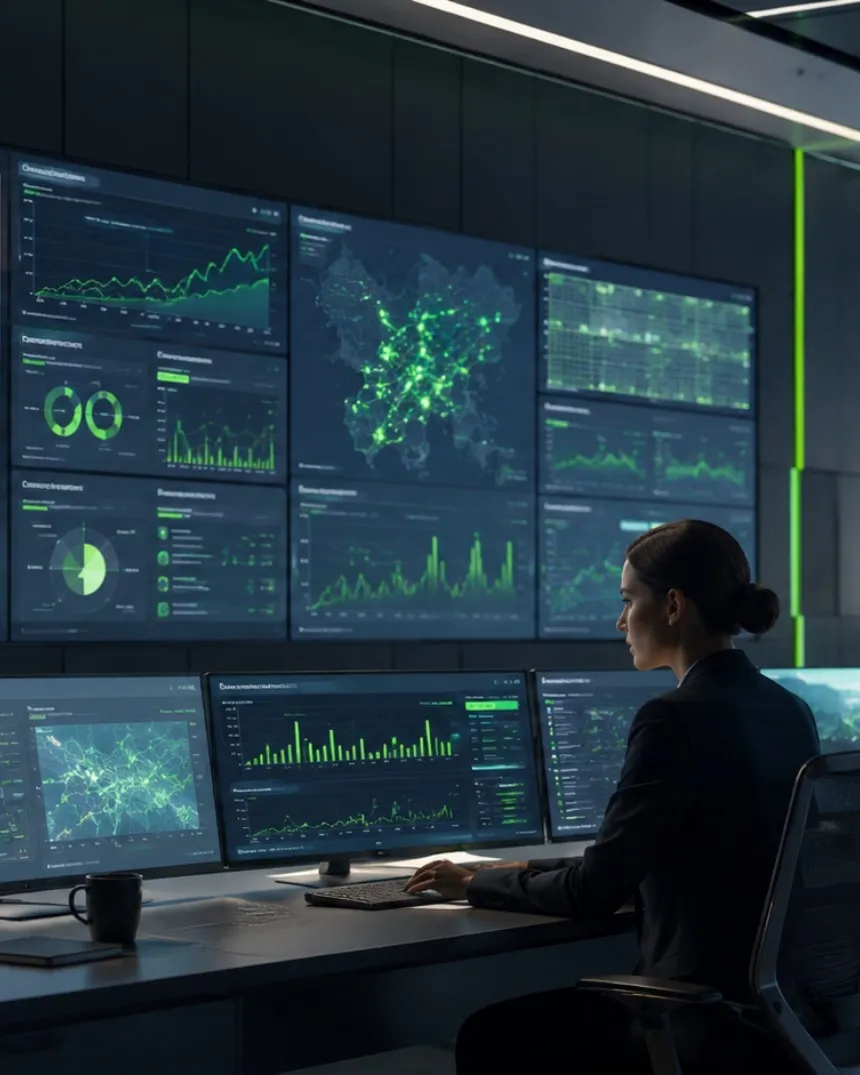
A control room reading live generation and grid data
04

Grid Services

Connection studies, curtailment modelling and the compliance work nobody photographs. Most programmes are lost here rather than in construction, which is why we sell it on its own as well as inside a build.

Engagement

Standalone, or bundled into a development mandate

Turnaround

6–14 weeks for a first constraint view

Where we start

The TSO's own published data, then our own model

What we need from you

A node, a technology and an honest budget

Delivered to date

260 studies with 11 TSOs

Phase 01 · weeks 1–6 · fixed fee

Three numbers decide whether a site can be built.

One real read, in the order we run it.

01Queue
412of 900

Energisation offered for 2031. The programme in front of us had been sold on 2028.

02Node
11.4% curtailed

Three years of half-hourly metering at the same substation. The forecast we were handed said three.

03Land
2.1m of peat

Found in the test pits, which nobody had dug. It was mapped as mineral soil.

04Verdict

We said no

  • Queue412 of 900
  • Node11.4% curtailed
  • Land2.1 m of peat

Roughly a third of constraint reads end here. The six weeks are cheap; the answer is the product.

The other list

Four things we will turn down.

A capability list with nothing missing from it is a sales page. These are the enquiries we send elsewhere, and we will usually tell you where.

  • Offshore

    We have never built one, and the learning curve is not ours to climb on your programme. We will name two firms who are better at it.

  • Assets we cannot operate

    If the mandate is develop-and-flip, the twenty-year decisions get taken by whoever holds it afterwards. That is a legitimate business and it is not this one.

  • Programmes priced on a good year

    If the case only closes against a P75 resource and no curtailment, we will show you the same model against measured data and then decline it politely.

  • Anything that needs the numbers softened

    We publish monthly performance including the assets that miss. An engagement that requires the bad year to come out of the deck ends at that sentence.

Have a site, a queue position or a problem with both?

Send us the constraint. We will tell you within a fortnight whether it is buildable and what it would take.